Wood Species - Pine
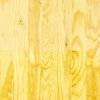
SOUTHERN YELLOW PINE
Pinus spp.
Appearance
Color: Heartwood varies from light yellow/orange to reddish brown or yellowish brown; sapwood is light tan to yellowish white.
Grain: Closed, with high figuring; patterns range from clear to knotty.
Variations within species and grades: Longleaf pine (P. palustris), shortleaf pine (P. echinata), loblolly pine (P. taeda), slash pine (P. elliottii). All have many of the same characteristics as Douglas fir. Old-growth lumber in these varieties has substantially higher density and is more stable than second-growth material.
Properties
Hardness (Janka): Loblolly and shortleaf 690, 47% softer than Northern red oak; longleaf 870, 33% softer than N. red oak.
Dimensional Stability: Above average (change coefficient .00265; 28% more stable than red oak).
Durability: Soft, fairly durable, although not as resistant to scuffs, dents and abrasions as the hardwoods. Often used for flooring, but may not be suitable for all applications due to its softness.
Workability
Sawing/Machining: Good machining qualities.
Sanding: Resin in wood tends to clogs abrasives; frequent sandpaper changes are required.
Nailing: Good holding ability and resistance to splitting.
Finishing: A durable finish can help minimize wear.
Comments: Generally manufactured for flooring with no end-match; sometimes flooring is “distressed” to create an antique look.
From The National Wood Flooring Association's "Wood Species Used in Wood Flooring" information booklet.
Return to Home Page
Return to Species
Return to top of
pine
page.
 Subscribe To This Blog


